
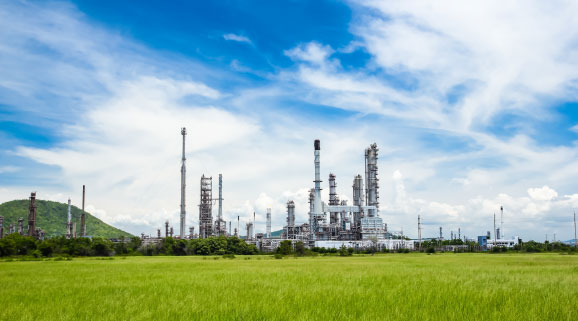
The Future of Environmental Solutions
“Our environment faces many challenges. That is why we need to collaborate to help address today’s needs and more importantly, to envision and create solutions for the future.”
Vijay Manthripragada, CEO


Environmental Solutions
From environmental testing services to remediation to proactive interventions, Montrose provides comprehensive, environmental consulting services that combine the consistency of a global presence with deep, local expertise and regulatory insight.
You’ll eliminate logistical headaches and gain access to the best technology for each project. More importantly, you’ll be working with the people who truly know how to put this technology to good use to get the job done. Click the links below to see our environmental solutions.
Markets
Every industry faces unique challenges in addressing environmental issues. Montrose leads the way in working with local, regional and international companies to turn what were once considered unavoidable expenses into valuable and visible corporate assets.
No matter what industry you’re in, you’ll get the benefit of innovative and integrated thinking—with planners, engineers and implementers working together to turn the best ideas into successful real-world solutions.

At Montrose, we’re not just determined to think about a better way forward for environmental services today and down the road—we’re committed to making it a reality.
Think ahead > Contact Us
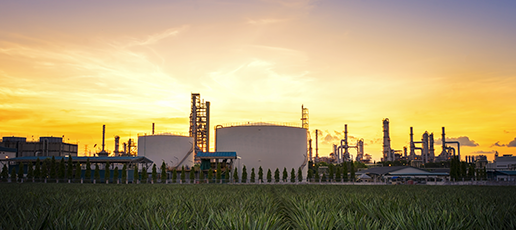
Integrated Methane Solutions
March 1, 2024Our interdisciplinary team’s knowledge and experience provide our clients with holistic, fit-for-purpose methane solut ...
Montrose PFAS expert, David Kempisty, featured in latest edition of SAME’s The Military Engineer
February 1, 2024Read the full article to see the latest advancements in full-scale PFAS treatment with Dave’s insights. ...

Video: Environmental 3D Visualization and Analysis Services
November 20, 2023The video highlights how 3D Visualization and Analysis (3DVA) allows project teams to visually articulate complex enviro ...
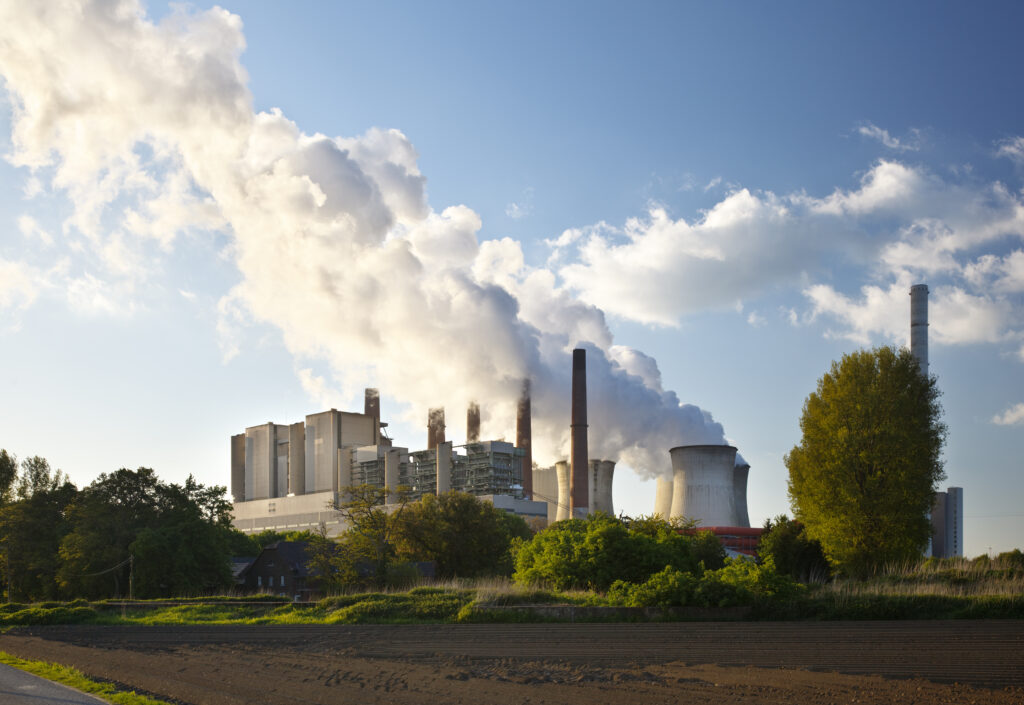
Whitepaper: Conventional and Advanced Site Investigation and Remediation (CASIR)
August 17, 2023Read our latest whitepaper to learn how we help our clients reduce time and cost to site resolution, whether it be closu ...
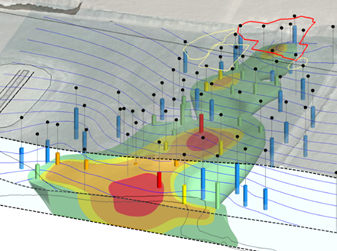
Flyer: 3D Visualization and Analysis Services
August 17, 2023Learn how we assimilate historical site datasets into a 3D visualization model and create easy-to-understand visualizati ...
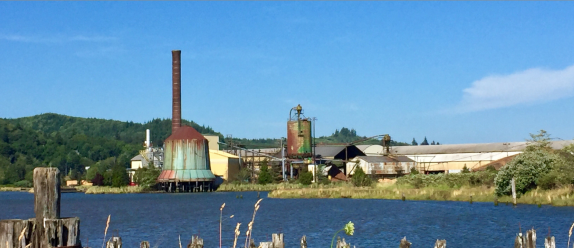
Flyer: Brownfields and Community Revitalization Practice
June 21, 2023Want to build a successful program to achieve your brownfield redevelopment and community revitalization goals? Download ...

